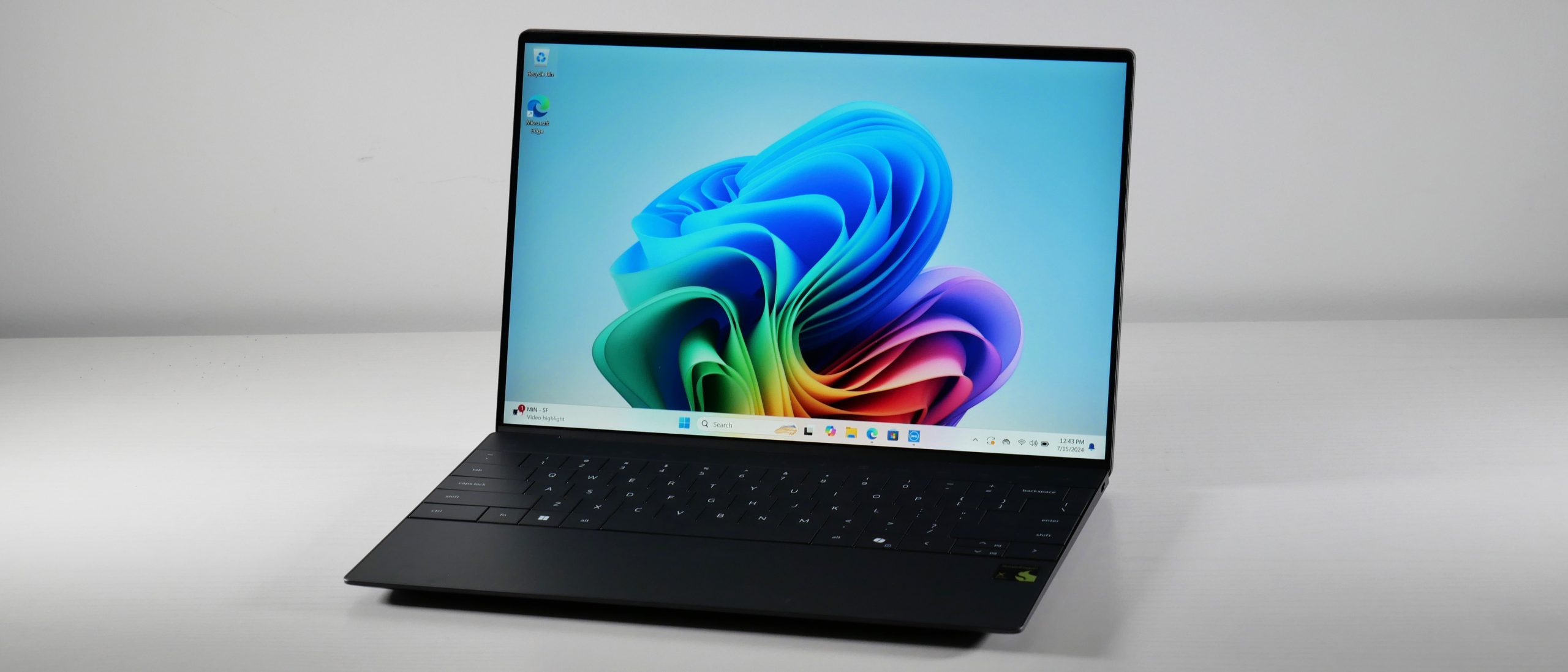
For years, “Windows on ARM” was a punchline. It promised battery life but delivered sluggish performance and software nightmares. But with the release of the Dell XPS 13 (9345) powered by the Snapdragon X Elite chip, the joke is finally over. Dell hasn’t just made a laptop; they have made a statement.
This device is arguably the first true competitor to the MacBook Air, and it is a fascinating, futuristic, and slightly frustrating piece of hardware.
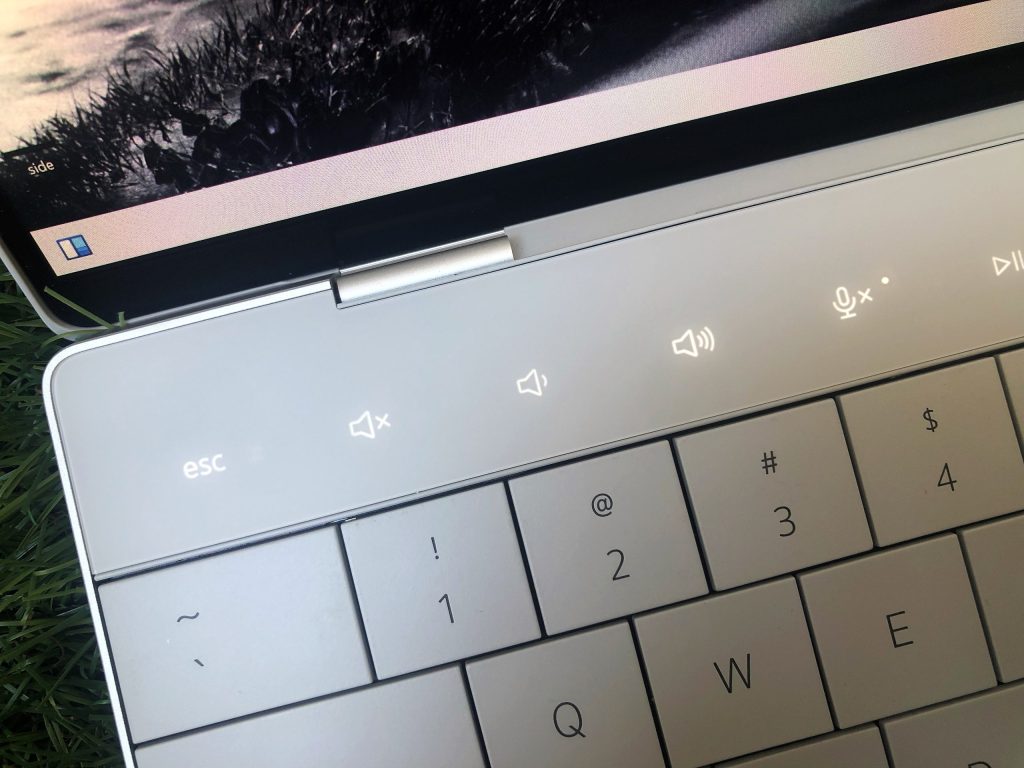
The first thing you notice is the design. It is stunning. Dell has doubled down on the controversial design language of the “Plus” series: a zero-lattice keyboard, a capacitive touch row instead of function keys, and the infamous “invisible” glass trackpad.
It looks like a prop from a sci-fi movie. However, usability is a mixed bag. The keyboard is surprisingly comfortable, but the invisible trackpad requires a learning curve. You will find yourself missing clicks until your muscle memory adjusts to the seamless glass palm rest.
The real magic is under the hood. The Qualcomm Snapdragon X Elite processor changes the game entirely.
In the past, an XPS 13 would get hot and loud under load. The 9345 stays remarkably cool and silent. But the headline feature is the battery life. We are finally seeing 12+ hours of real-world usage. You can leave your charger at home, a freedom previously reserved for Apple users.
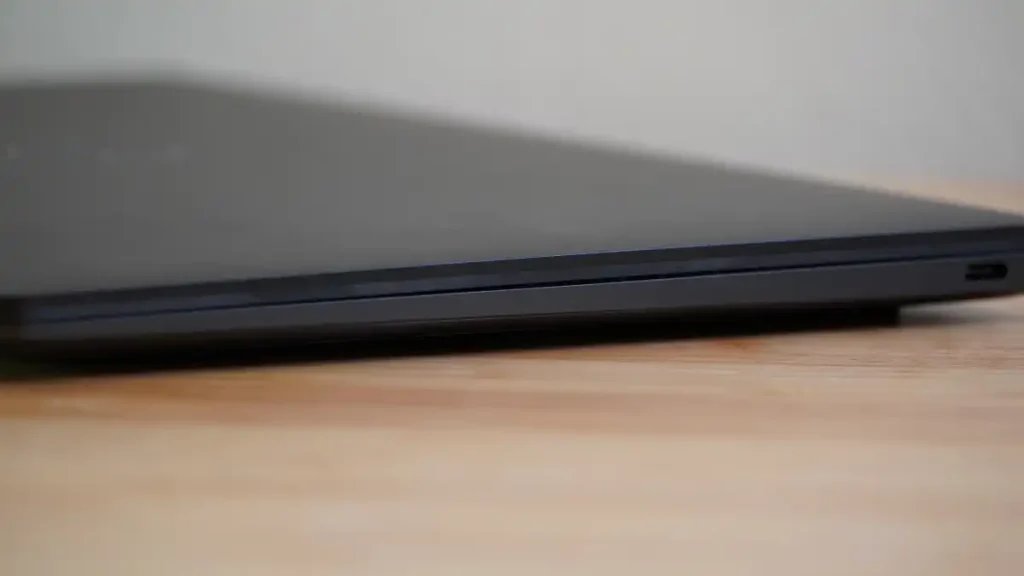
It isn’t perfect. While the “Prism” emulation layer runs most older Windows apps smoothly, gamers should stay away; this is not a gaming rig. Furthermore, the port situation is dire: just two USB-C ports and no headphone jack.
If you are a writer, a web-based worker, or a business professional who values portability and battery life above all else, the XPS 13 (9345) is a triumph. It is the Windows laptop we have been waiting for.


Leave a Reply to baphael Cancel reply