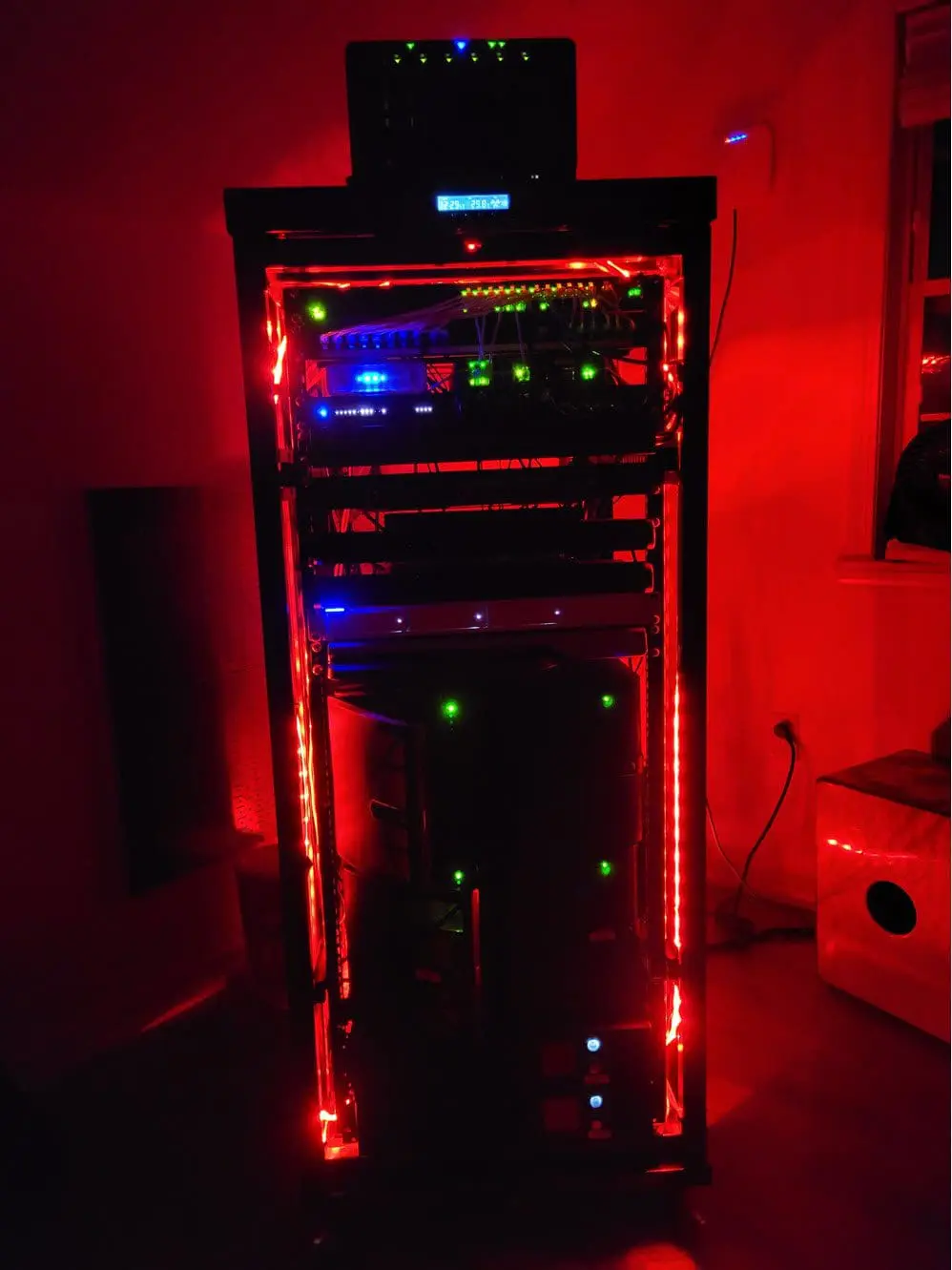
If you are a tech enthusiast, a developer, or an aspiring sysadmin, you likely have “the pile.” You know the one: the stack of old laptops, discarded desktops, and Raspberry Pis sitting in a corner, each running a single, specific task. One for your media server, one for ad-blocking, another for testing code.
It is noisy, energy-inefficient, and a nightmare to manage.
It’s time to consolidate. It’s time to turn that pile of hardware into a professional-grade data center using Proxmox Virtual Environment (VE).
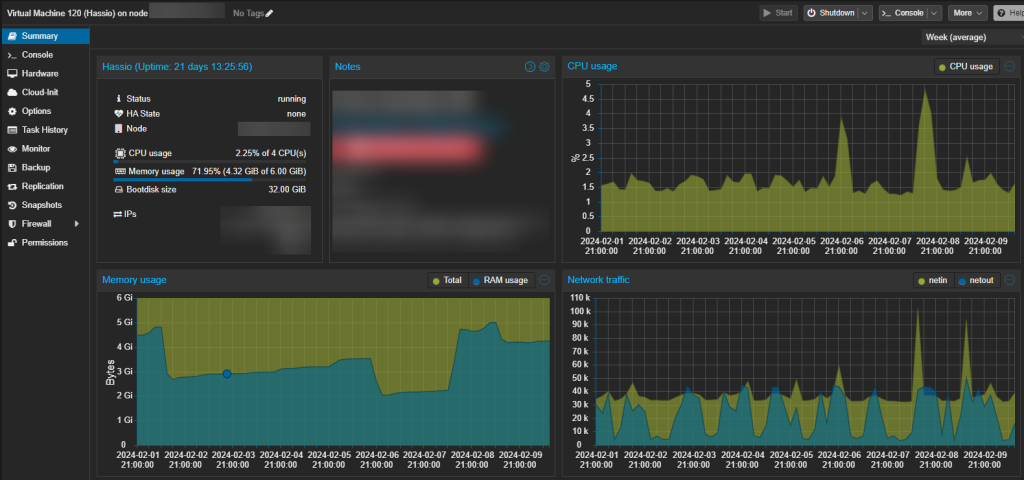
At its core, Proxmox is a “type-1 hypervisor.” That sounds complicated, but the concept is simple.
Normally, an operating system (like Windows or macOS) talks directly to your computer’s hardware. A hypervisor sits between the hardware and the operating systems. It acts like an orchestra conductor, allowing you to run dozens of different virtual computers simultaneously on a single physical machine.
Instead of five old computers running five tasks, you have one powerful computer running Proxmox, which manages five virtual environments seamlessly.
Where Proxmox truly shines against competitors is how it handles these virtual environments. It gives you two distinct tools: KVMs and LXCs.
- KVM (Kernel-based Virtual Machine): This is a “full” virtual machine. It thinks it is a real computer. If you need to run Windows Server or a heavy Linux desktop, you use KVM. It’s robust, but resource-intensive.
- LXC (Linux Containers): This is Proxmox’s secret weapon. Containers are incredibly lightweight. They share the host system’s kernel but keep their applications isolated.
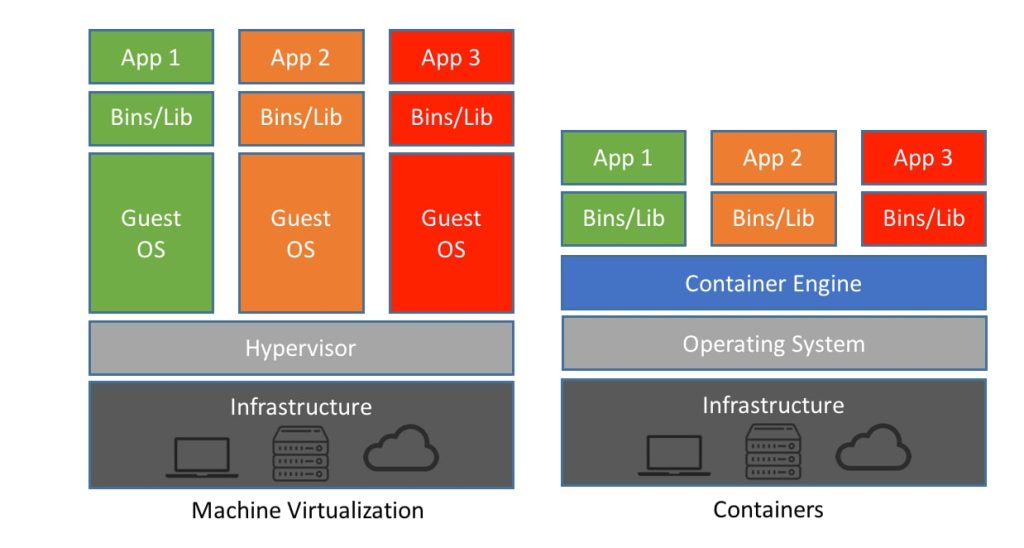
Imagine you want to spin up a simple web server. A full VM might require 2GB of RAM and 20GB of storage just to boot the OS. An LXC container can do the same job instantly using only 128MB of RAM and a tiny fraction of the storage. Proxmox lets you mix and match these effortlessly.
Perhaps the most astonishing thing about Proxmox is that it is open-source and completely free.
You get features that enterprise companies pay thousands of dollars for. We’re talking about robust ZFS storage support for data integrity, built-in firewalling, and sophisticated backup solutions.
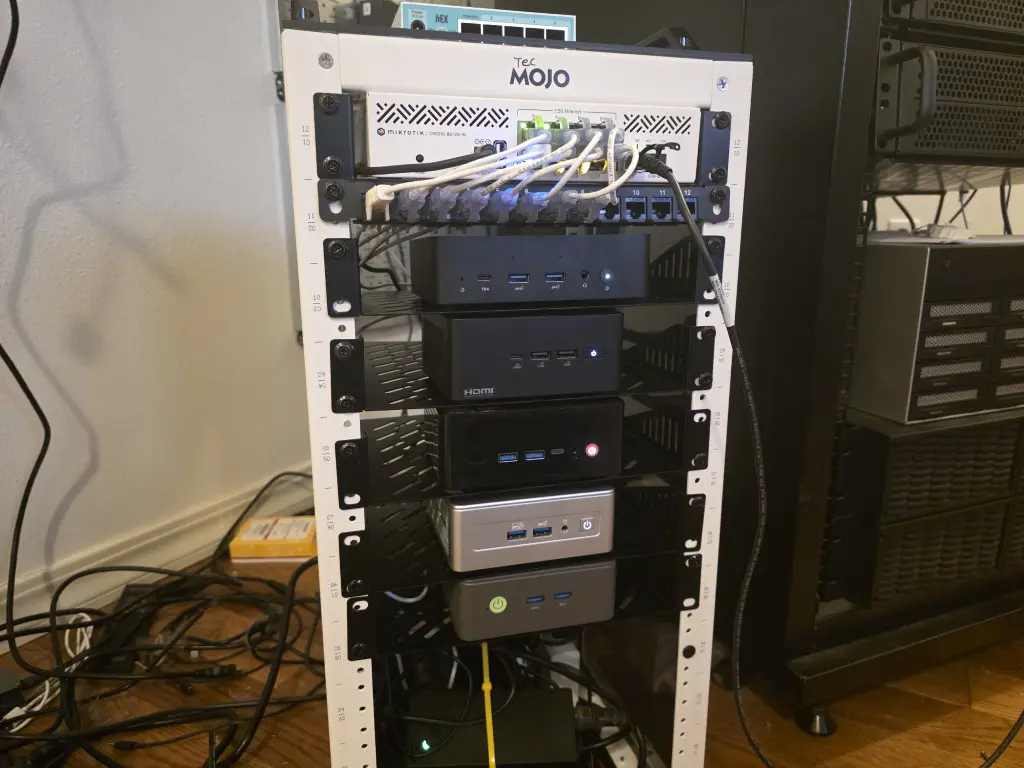
As you grow, Proxmox grows with you. You can eventually connect multiple physical servers together into a “High Availability Cluster.” If one physical server dies, the virtual machines running on it automatically restart on another one without skipping a beat.
Proxmox isn’t just software; it’s a gateway drug to enterprise IT. Whether you are running a complex home media empire or preparing for a career in DevOps, learning Proxmox is the best investment you can make in your digital infrastructure.


Leave a Reply to Antonin Cancel reply