
In the age of Substack, Medium, and LinkedIn, the path of least resistance is obvious: create an account, type your thoughts, and hit publish. These platforms handle the technical heavy lifting, the design, and the distribution. It is convenient, seductive, and efficient.
However, relying entirely on these “walled gardens” comes with a hidden cost: you are building a castle on rented land.
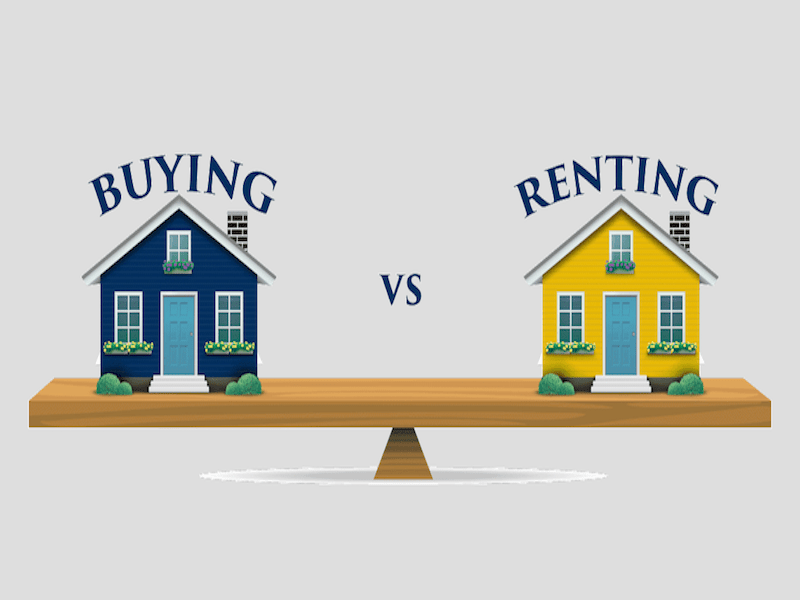
When you publish on a third-party platform, you are subject to their terms of service, their algorithms, and their business model pivots. We have seen it happen time and again: a platform changes its algorithm, and suddenly your traffic evaporates. Or worse, they introduce a paywall that alienates your audience, or they shut down entirely.
Self-hosting, running your blog on your own server using software like WordPress or Ghost, solves this immediately. When you self-host, you own the data. You own the email list. You own the relationship with your reader. No one can de-platform you or hide your content behind a premium tier you didn’t ask for.
Beyond security, there is the joy of customization. Platforms offer templates; self-hosting offers a blank canvas. Do you want to capture leads in a specific way? Do you want to run custom analytics without selling user data? Do you want a design that is totally unique to your personal brand?

Admittedly, self-hosting requires a bit more elbow grease. You are responsible for updates, backups, and security. But in 2026, tools have made this easier than ever. The minor technical learning curve is a small price to pay for true digital sovereignty.
Your writing is an asset. Don’t leave that asset in someone else’s pocket.


Leave a Reply to Mariem Cancel reply